Kindergarten Readiness Checklist for 4-Year-Olds Starting School (From a Mom Who IS Doing It)

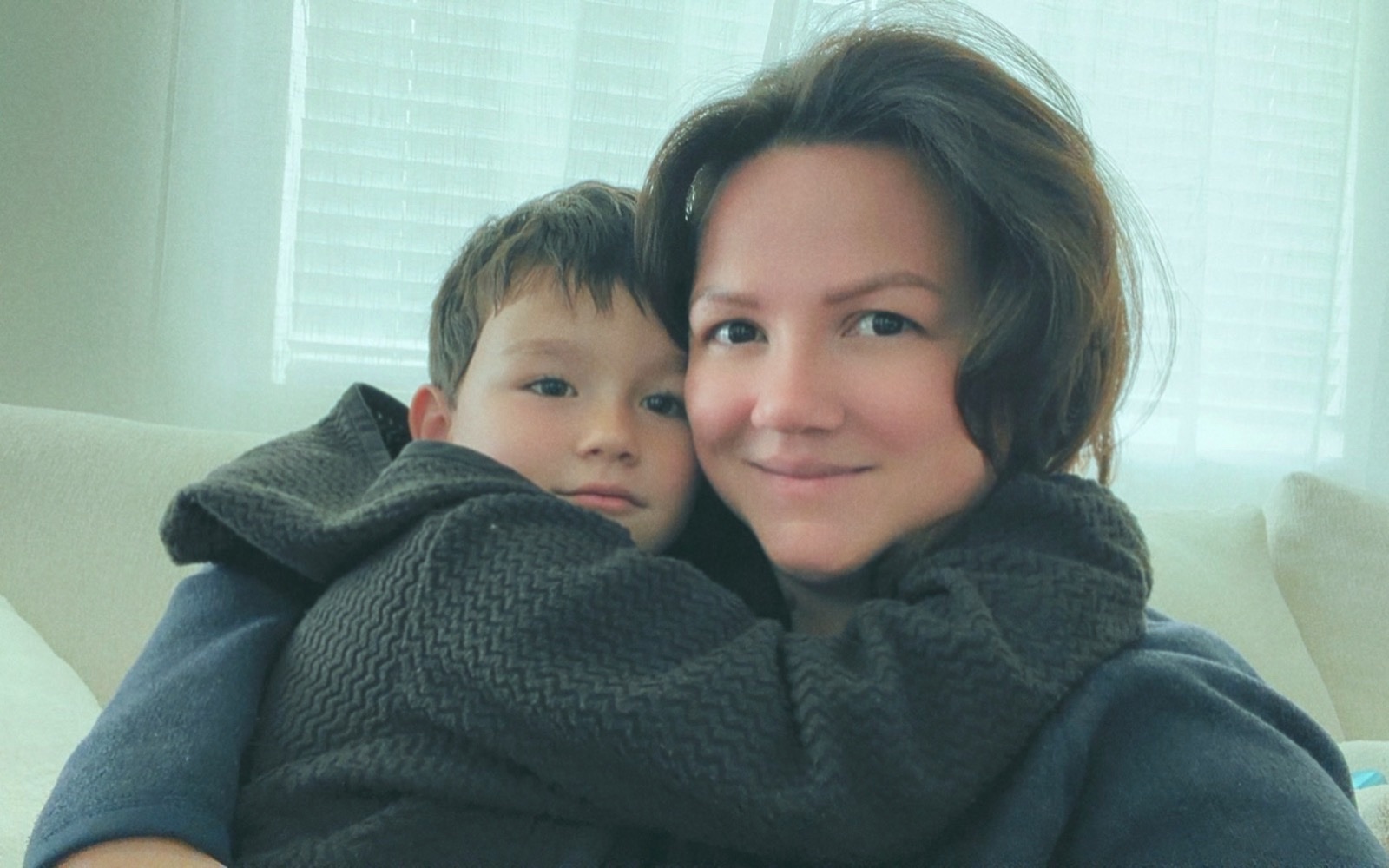
Kindergarten readiness is mostly self-care, emotional stamina and independence — not reading fluently. But check your own school first: Luke's expects almost the whole alphabet, almost all the letter sounds, and reading and writing his own name. Annie sent him at four, straight in without Ready Set Go, as the youngest in his class.
On this page
Okay so… I sat on my living room floor last night, iced white chocolate latte in hand ☕️, staring at Luke while he attempted to eat a spicy tuna roll with chopsticks just like Hubs. He was decked out in his favorite head-to-toe camo gear (complete with mismatched dinosaur socks), utterly determined to pincer that sushi roll, and it hit me like a ton of bricks: OMG, my four-year-old is going straight to kindergarten in a few weeks. Cue the instant, full-blown, late-night mom spiral!
Here is the thing that is keeping me up at night: our school’s cutoff is that a child has to turn 5 by October 1st — and Luke turns 5 on September 25th. He makes it by six days. Six. Days. If he had shown up a week later than he did back in 2021, we would be having a completely different conversation right now. And because his birthday lands roughly a month after the school year starts — and because we skipped Ready Set Go entirely — he is walking straight out of our home environment and into a real kindergarten classroom as a four-year-old. He will be one of the absolute youngest kids in his entire class. While half his classmates will already be solid five-and-a-half-year-olds with a full year of Ready Set Go under their belts, my sweet, wild boy is going in as an almost-five.
Listen… if you are currently staring at online school registration forms, sipping cold coffee, and second-guessing every single decision you’ve made since you brought your child home from the hospital, mama, take a deep breath. If your kid has a summer or fall birthday and sits right on that razor-thin edge of the age cutoff, I know that heavy knot in your stomach all too well. We are in this exact, anxiety-inducing boat together.
When we are out hiking or camping in the mountains here in Colorado 🏔️, Luke is an absolute force of nature. He can scramble up rocky trails, help Hubs build a campfire, and stay busy outside for hours without losing patience. But asking my four-year-old to sit criss-cross on a carpet, put his own shoes on without a theatrical ten-minute negotiation, or eat a slice of watermelon without smearing it all over his shirt? Total wild card. And don’t even get me started on food—the boy adores watermelon, and he will happily put away a plate of chicken piccata, but hand him an apple slice or a spoonful of mashed potatoes and he reacts like you handed him hot coal.
Because I am a research-obsessed, gizmo-loving mama, I couldn’t just sit in my freak-out. I spent weeks talking to actual kindergarten teachers, digging past the social media noise, and figuring out what matters when you send a four-year-old straight to school. Spoiler alert: it is NOT whether your child can recite the periodic table or read chapter books at bedtime.
Here is my honest, real-talk kindergarten readiness checklist for your four-year-old—especially if they are entering as one of the youngest in the room.
Why is the kindergarten panic dialed up to eleven when your kid is four?
Before we jump into the practical skills, can we just acknowledge why sending a four-year-old to kindergarten feels so damn terrifying? Somewhere over the last decade, kindergarten shifted from “let’s learn to share, sing the ABCs, and glue pom-poms to paper plates” to feeling like an academic pressure cooker.
On top of that, we live in the era of academic “redshirting.” Parents routinely hold back summer and fall birthday kids so they enter school as six-year-olds. So when you make the choice to send your four-year-old—who skipped Ready Set Go and turns 5 in late September—you start wondering if you’re throwing them to the wolves. You scroll Instagram, see four-year-olds allegedly writing full cursive paragraphs, and wonder if your outdoorsy, camo-wearing kid who loves playing in the mud is going to get left behind.
When I talked to real classroom teachers about this exact fear, they almost lost it laughing. They told me that parents waste absurd amounts of energy stressing over academics, while completely ignoring the basic life skills that actually make or break a four-year-old’s school day.
A teacher can easily teach a four-year-old kindergartner how to identify the letter ‘M’. What is insanely difficult for them to teach—while managing twenty other high-energy kids—is how to zip up a jacket, open a thermos, or stop a full meltdown when a tower of blocks falls down.
So let’s strip away the social media noise and focus on what actually matters for our almost-fives.
Can they handle basic self-care like a mini boss?
Teachers usually have around twenty energetic kids in one room, typically with only one adult (or an aide for a tiny chunk of the morning). Simple math tells us that personal independence is the ultimate golden ticket for a four-year-old starting kindergarten. Nobody expects perfection, but your four-year-old should be able to navigate basic daily tasks without total hand-holding.
- The full, end-to-end bathroom routine: This is the big one, mamas. Your four-year-old needs to be able to pull down their pants, wipe, flush, pull their pants back up, and wash their hands with soap. Because public stall doors can intimidate little kids, practice in coffee shop or park bathrooms when you’re out. Teach them how to work a stall latch so they don’t panic on day one.
- Dressing themselves (especially winter gear): If your four-year-old hasn’t mastered shoe-tying, do NOT send them to school in lace-up shoes. Velcro and slip-ons are your absolute best friends. Out here in Colorado, winter gear is a massive obstacle course. Getting Luke into his snow pants and coat used to be a workout, but we mastered the “coat flip trick”—laying the jacket on the floor hood-to-feet, slipping arms into the sleeves, and flipping it over his head. It turned a daily struggle into a 5-second victory.
- Opening their own lunchbox gear: Lunch periods are notoriously fast—often only 20 minutes from sit-down to clean-up. If your kid sits for ten minutes waiting for an adult to unlatch their bento box or pop a straw into a juice pouch, they won’t get to eat. Pack their actual school lunchbox this weekend, fill it with their favorite foods (for Luke, that’s sushi rolls and watermelon, zero apples and absolutely no mashed potatoes), and do a test-run picnic in the living room. See what containers give their tiny hands trouble and swap them out before school starts.
- Blowing their nose and catching coughs: Teach your four-year-old the “elbow crook” cough and how to grab a tissue when their nose drips. It sounds basic, but trust me, teachers will silently bless your name for building this habit early.
How are their social and emotional muscles holding up?
If you are sending a four-year-old straight into kindergarten without Ready Set Go, this section matters ten times more than knowing the alphabet. Kindergarten is a sensory-heavy, social sprint. Being in a classroom with two dozen peers for six hours requires serious emotional stamina, especially for an energetic almost-five.
- Following 2–3 step instructions: Can your four-year-old process and execute a multi-step direction? Think: “Put your backpack in your cubby, wash your hands, and come sit on the rug.” At home, gameify this during daily routines. I’ll tell Luke, “Grab your camo boots, put them by the door, and bring me your empty water bottle.”
- Handling transitions without a total meltdown: Moving from an activity they love (like building Legos or fishing at the lake) to something less exciting (like cleaning up or sitting quietly) is tough for a four-year-old brain. If they can switch gears without a full-scale emotional collapse—even if they grumble a little—they are in great shape. We use a simple visual timer at home so Luke can see when play time is wrapping up.
- Sharing, taking turns, and waiting: Luke is sweet, fiercely independent, and stubborn as hell. Learning that he can’t immediately grab the blue crayon or take his turn on the slide has been a real emotional curve for him. Progress is the goal here, not absolute perfection. Simple board games like Sneaky Snacky Squirrel are amazing for teaching kids how to wait their turn and handle not winning every time.
- Speaking up and advocating for themselves: Can your four-year-old use clear words to tell an adult what they need? Whether they need a band-aid, can’t find their water bottle, need the bathroom, or had someone be mean to them, being able to approach a teacher and speak up is massive heading into kindergarten.
- Basic emotional regulation: School is packed with tiny frustrations. A tower gets knocked down, a crayon snaps, or someone else gets the favorite blue chair. Does your four-year-old have at least one coping mechanism? We practice deep “dragon breaths” at home when Luke gets overwhelmed, which gives his four-year-old brain a second to reset before a meltdown takes over.
What academic skills do they REALLY need? (Spoiler: It’s not calculus)
Please do not stress yourself out thinking your four-year-old needs to be reading full sentences or doing math worksheets before they step through those school doors. Keep early learning relaxed, fun, and totally play-based.
But I do want to be straight with you about one thing, because I wish someone had been straight with me: check what your specific school actually expects before you show up. Every district draws this line differently, and “kindergarten readiness” on the internet is not always the same as kindergarten readiness at your school.
- Letters and their sounds (check your school on this one): At Luke’s school, they expect kids to walk in recognizing almost the whole alphabet — and to know almost all the letter sounds too. Not writing them, not spelling with them. Just seeing a B and knowing it’s a B, and that it says buh. That surprised me, honestly, and it is the one academic thing I would not leave to chance. The good news is it does not take worksheets: we did it with alphabet magnets on the fridge, spotting letters on signs from the truck, and silly sound games (“what starts with sss?”). Fifteen minutes of playing, not thirty minutes of drilling. Call your school’s office or check the enrollment packet and ask exactly what they expect — it takes one phone call and it takes a huge weight off.
- Reading AND writing their own name: At Luke’s school this one is expected, not optional — they need to be able to read their name and write it themselves. It does not have to be neat. Wobbly, oversized, one letter sliding off the edge of the page? Totally fine. It just has to be theirs. Beyond the requirement, it genuinely helps them: spotting their name on a cubby, a desk tag or a jacket label gives a four-year-old instant confidence and ownership of their stuff in a room full of strangers.
- Fine motor strength and hand grip: Before kids can write letters comfortably, their hand muscles need to build real physical strength. This looks like cutting paper with safety scissors, rolling playdough into snakes, squeezing spray bottles in the backyard, building with Legos, and gripping crayons.
- Basic counting and spatial concepts: Counting out loud to 10 and visually recognizing numbers 1 through 5. They should also spot basic shapes (circle, square, triangle) and primary colors. When Hubs and I are hiking with Luke, we turn this into a trail game: “Can you spot three big pinecones?” or “Find the square metal trail marker!”
- Book handling and listening skills: Knowing how to hold a book right-side up, turning pages from front to back, and understanding that the text carries the story. Reading aloud to your four-year-old for 15 minutes every night does infinitely more for school readiness than any commercial flashcard set ever could.
Physical stamina and motor skills heading into kindergarten
We rarely talk about physical endurance when discussing kindergarten, but going from home life or part-time care to a full day of structured school takes real physical work—especially for a kid who is still four.
- Gross motor coordination: Can your four-year-old run, jump with both feet, walk down stairs, and kick or throw a ball? Outdoorsy play—climbing rocks, balancing on fallen logs, running on trails—builds the core strength kids need to sit upright at a classroom desk or on a circle rug without slumping over.
- Sitting upright on a rug: “Criss-cross applesauce” sitting is actually a physical strength skill. Kids need core and back strength to sit comfortably on a rug without leaning heavily on their neighbors or sprawling out flat.
- Carrying their own backpack: A full-sized backpack packed with a bento lunchbox, water bottle, change of clothes, and school folder is heavy for a four-year-old frame! Have your child practice carrying their own loaded backpack during trips to the park or library so their shoulders get used to the weight.
Low-stress ways to practice these skills at home (Without losing your sanity)
Please do not rush out to buy academic workbooks or force your four-year-old to do daily table work. Kids learn through movement, real-world routines, and play. Here are four low-stress ways we practice at our house:
- The Backyard Obstacle Course: Build a quick course that requires processing multi-step directions. “Run to the big pine tree, hop three times on one foot, touch the patio table, and bring mama a green leaf!”
- Sensory Bin Fine Motor Work: Fill a plastic tub with dry rice, beans, or water. Give your child tongs, tweezers, squeeze bottles, and scoops. Pinching small objects with tongs builds the exact same muscles needed for pencil grip.
- Independent Lunchbox Fridays: Once a week, pack your child’s lunch in their actual school bento box and let them eat completely on their own at home. Watch from across the room to see which containers give them trouble so you can adjust before the first day.
- Simple Board Games: Games like Candy Land or Hi Ho! Cherry-O teach turn-taking, counting, and managing the emotional sting of losing—all essential social skills heading into kindergarten.
Is your four-year-old actually ready? (A real-talk sanity check)
At the end of the day, my friend, every single kid moves at their own wild, unique, beautiful pace. Luke still puts his camo boots on the wrong feet half the time, forgets to flush the toilet when he’s in a rush to go play, and occasionally throws a mini-meltdown if I cut his watermelon into squares instead of triangles.
And you know what? That is completely, totally normal for a four-year-old turning 5 in late September.
Kindergarten teachers are absolute miracle workers who meet kids right where they are. They do not expect a room of perfectly polished mini-adults on day one. They expect four- and five-year-olds who are energetic, goofy, still learning, and full of life.
If your four-year-old has a spark of curiosity, a tiny bit of independence, and a lot of love behind them, they are going to do JUST fine in kindergarten 🎒. Take a deep breath, mama. You have raised an incredible little human, and this next adventure is going to be amazing for both of you.
Affiliate link — if you sign up or buy through it, My Mama Mode may earn a small commission at no extra cost to you. As an Amazon Associate, My Mama Mode earns from qualifying purchases. My Mama Mode also participates in other retailer affiliate programs. Learn more.
Frequently asked
Not full sentences, no — kindergarten teaches reading from the ground up. But check your own school before you assume: at Luke's school they expect kids to arrive recognizing almost the whole alphabet AND almost all the letter sounds, plus reading and writing their own name. Ask your school's office exactly what they expect, because districts differ a lot.
No. It has to be theirs, not tidy. Wobbly letters, giant letters, one sliding off the edge of the paper — all completely normal for a four-year-old. Build the hand strength with playdough, safety scissors and crayons, and the neatness comes later on its own.
First, find your district's cutoff date — ours is that they have to turn 5 by October 1st, and Luke's September 25th birthday clears it by six days. If your child legally qualifies, the decision comes down to independence, emotional stamina and following simple directions far more than the number on the birthday cake. If your four-year-old can express their basic needs and manage simple self-care, they can absolutely thrive in kindergarten, even without a year of Ready Set Go.
Practise daily with flushable wipes and dress them in easy pull-down elastic pants so clothing isn't the obstacle. Teachers fully expect bathroom hiccups with four-year-olds — the real goal is that your child feels comfortable asking an adult for help.
Practise now with living-room picnics! Let them open every container themselves and swap out anything they can't manage — a lunchbox they can't open is a lunch they don't eat.
Tap the one that fits, mama — no comment box, no pressure ✦
Keep reading, mama
What to Actually Say When Your 4-Year-Old Whines About Literally Everything
Exhausted by constant kindergarten whining? Annie shares battle-tested scripts, real-life resets, and sanity-saving tips for handling four-year-old meltdowns.
How to Teach Your 4-Year-Old Boy Independent Play (Without the Mom Guilt!)
Learn how to encourage independent play for your active 4-year-old boy without feeling guilty. Practical, real-life SAHM strategies that actually work.
How to Stop Morning Dressing Battles with a Stubborn 4-Year-Old (What Actually Works!)
Tired of morning outfit standoffs before school? Here is how I ended clothing battles with my stubborn 4-year-old without losing my cool or being late.