Potty Training a Boy: What Actually Worked for Us (An Honest, No-Shame Guide)
Potty training a stubborn, wild little boy doesn't have to break your spirit. Here is what actually worked for our 4-year-old son Luke—from target practice stickers and outdoor trail pees to zero-shame accident management.
On this page
Okay so… pull up a seat, grab your iced coffee (mine is a venti cold brew with extra oat milk because my sanity requires it today), and let’s talk about pee.
Listen, if you are sitting on your couch right now looking at a mound of training pants, feeling like you’re failing because your friend’s kid on Instagram was fully night-and-day trained by 18 months… take a deep breath. Drop your shoulders. You are not failing, your kid is not broken, and you are officially in a safe, judgment-free zone.
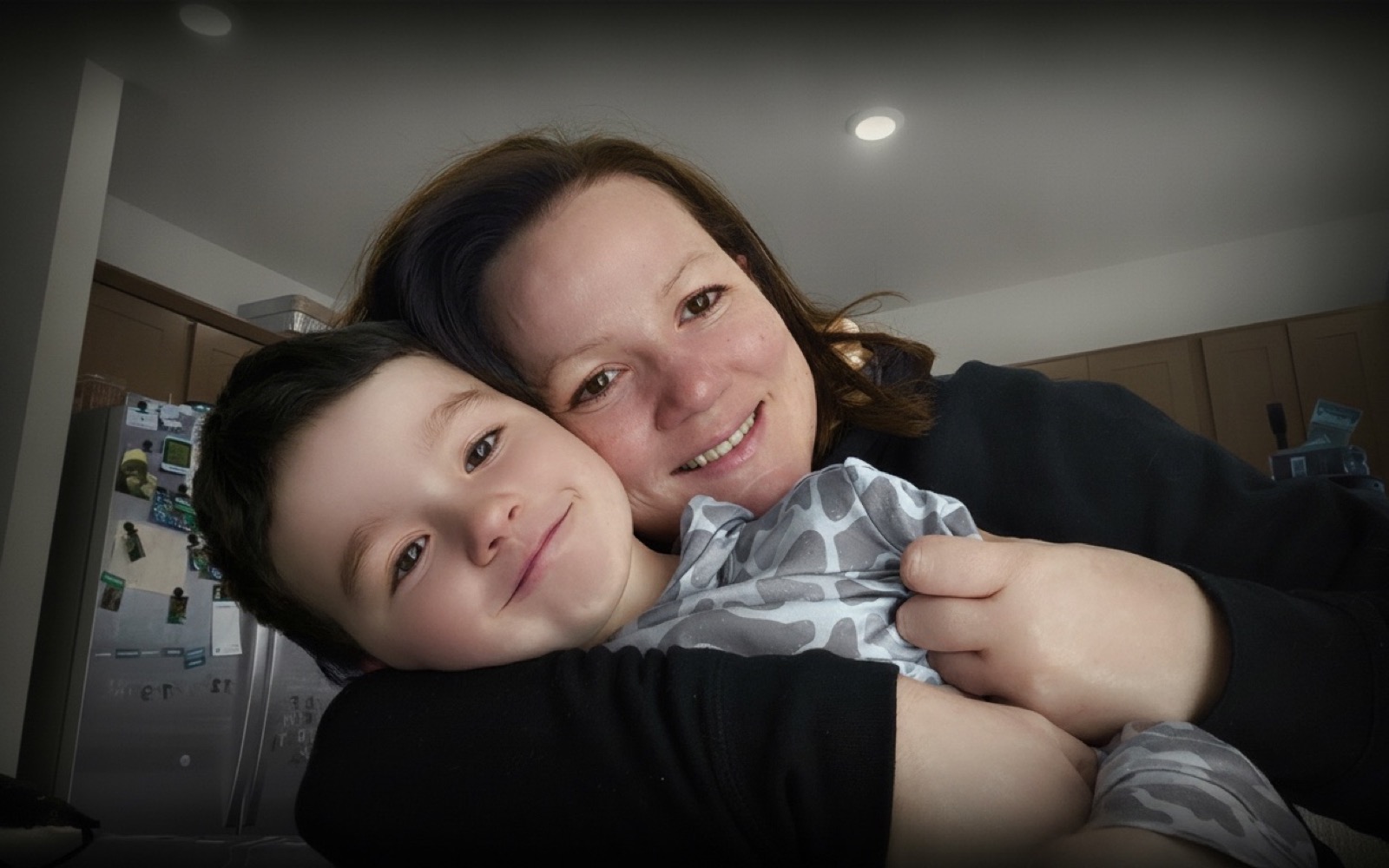
When we first started this journey with my 4-year-old, Luke, I thought I had it all figured out. I had read the books. I bought the cute little frog-shaped potty. I was armed with enthusiasm and a fresh box of juice boxes. And then real life hit. Luke is a wild, high-energy, fiercely independent little dude. He’d rather be outside running through dirt in his favorite camo pants, building stick forts, or trailing behind Hubs trying to figure out how to cast a fishing rod down at the river than sitting on a plastic toilet in our bathroom.
He wasn’t interested in my cute reward charts. He didn’t care about my high-pitched cheerleader voice. He was stubborn, busy, and completely content staying in a diaper until college if it meant he didn’t have to pause his playtime.
So, how did we get from cleaning urine off the baseboards three times a morning to having a fully potty-trained 4-year-old who handles his business like a champion? It wasn’t magic, and it definitely wasn’t a 3-day miracle. It took trial, error, a whole lot of giggles, and some very specific gear.
Here is our completely honest, no-fluff guide to potty training a high-energy boy—what worked, what bombed, and how to survive with your head above water.
Why Is Potty Training a High-Energy Boy So Dang Hard?
If you have a wild little boy like my Luke, you already know that sitting still for anything is a major ask. Expecting a child who operates at 100 miles an hour to stop what he’s doing, recognize a bodily signal, walk across the house, pull down his shorts, sit still for three minutes, and wipe? That’s like asking him to complete a calculus equation while juggling.
Boys are notoriously notorious for putting off potty breaks until the absolute last millisecond because stopping means missing out on the action. Luke wants to be right in the middle of whatever Hubs is doing—whether that’s loading up camping gear or hauling something heavy across the yard. Going to the bathroom felt like a total penalty to him.
Once I realized that potty training wasn’t just a physical skill for him, but an interruption problem, my whole perspective shifted. We had to make the process engaging, fast, and—most importantly—make him feel like a “big guy” who was in total control of his own body.
When Did We Know Luke Was Actually Ready (And Not Just When I Was Desperate)?
I’ll be totally real with you: I tried to force the issue way too early because I was ready to stop buying diapers. Spoiler alert: That backfired hard. We had tears, power struggles, and enough stress to power a small village.
We backed off, reset, and waited until my 4-year-old showed actual, undeniable signs of readiness. Here is what that looked like for us:
- The Dry Nap Milestone: He started waking up from his afternoon naps with a dry diaper consistently. That told me his bladder capacity was physically ready.
- The Craving for Independence: He started insisting on doing everything himself—putting on his own camo boots, pulling up his own pants, and copying everything Hubs did.
- Hiding to Poop: When he needed to go, he’d wander off behind the couch or into his bedroom closet. That showed self-awareness of the urge.
- Discomfort with Full Diapers: He actually started complaining that his diaper felt “heavy” or dirty after playing outside.
If your kiddo isn’t showing at least a few of these, save yourself the gray hairs, mama. Wait a few weeks and try again. There is zero award for finishing first!
What gear did we ACTUALLY use? (The honest breakdown)
(Quick heads up, friend: This post contains a few affiliate links, which means I might earn a tiny commission if you buy something through them at no extra cost to you—thank you for supporting my iced coffee habit!)
You guys know me. If there is a tool, seat, or gizmo that promises to make mom life 10% easier, it’s going into my online cart immediately. But not everything was a winner. Here is the honest breakdown of the gear that saved our lives versus what ended up in the closet.
1. The Folding Travel Potty Seat
This thing lives in the back of our truck right next to our outdoor gear. When you’re out on a trail or heading to the lake, public restrooms aren’t always an option (or they’re terrifyingly dirty).
- PROS: Fits right over public toilet seats or opens up with a disposable bag for emergency roadside pees. Folds up super compact into a washable travel pouch.
- CONS: The disposable liner bags can be an extra expense, but honestly, for the sheer convenience when you’re an outdoorsy family? Total price of admission.
2. Flushable Toilet Target Stickers
These were a total game-changer for teaching aim. You drop these tiny biodegradeable targets into the toilet bowl, and your little dude tries to “hit the bullseye.”
- PROS: Turned potty time into a literal sport for Luke. He was excited to go flush them down and test his aim. Huge win for boy moms!
- CONS: Sometimes he got a little too enthusiastic with his aim and hit the toilet seat instead. Keep disinfectant wipes nearby!
3. The Squatty-Style Toddler Step Stool
Having a sturdy, wide step stool that hugs the base of the toilet gives your child a place to plant their feet firmly.
- PROS: Essential for posture when trying to poop! Having feet supported eliminates that feeling of falling into the big bowl.
- CONS: Takes up floor space in a small bathroom. You’ll definitely stub your toe on it in the middle of the night at least once. Worth it though.
4. Camo “Big Kid” Training Underwear
We bought thick-padded cotton training undies featuring his favorite camo patterns.
- PROS: Thicker than regular undies, so they catch minor leaks before they hit the floor. Plus, Luke was obsessed with wearing camo like his dad.
- CONS: They take a little longer to dry in the laundry cycle.
What Was Our Exact Step-by-Step Game Plan?
Once we decided to go for it, we committed to a flexible, low-stress strategy. Here is how we rolled it out over a couple of weeks:
Step 1: The “Big Boy Outfit” Kickoff
We made a huge deal out of clearing out his diaper stash. We packed them up together to donate, and Hubs took Luke to the store to pick out his very own big-boy underwear. Letting him own the decision made him super invested from minute one.
Step 2: The “Aim Like Dad” Demonstration
Let’s be real: little boys want to do what their dads do. Hubs took the lead on showing Luke how guys pee standing up. We used the flushable target stickers in the big toilet, and Hubs framed it like an outdoor skill—just like practicing casting a fishing rod in the backyard. Suddenly, Luke was eager to show off his skill!
Step 3: Setting a Low-Key Timer (No Nagging!)
Instead of asking him every five minutes “Do you have to go pee?” (which resulted in an immediate “NO!”), we set a funny timer on my phone with a silly chicken clucking sound. When the chicken clucked every 45 minutes, it was time for a quick potty check. The timer became the authority figure, not mom!
Step 4: The High-Value Reward System
Stickers were okay, but what really drove Luke was big-kid privileges and fun treats. We created a simple chart where five successful potty stops earned him a mini sushi date with me (my little dude is weirdly obsessed with cucumber sushi rolls!). Find whatever your kid loves—whether it’s monster trucks, fruit snacks, or extra playground time—and lean into it.
How Did We Handle Outdoor Adventures, Fishing Trips, and Public Restrooms?
Because we spend so much time outdoors—hiking, camping, and fishing—we couldn’t just stay trapped inside the house for two weeks. We had to teach Luke how to navigate potty breaks in the wild.
For outdoor pees, Hubs taught Luke the sacred art of the “tree pee.” When you’re out on a hiking trail or down by the river bank, getting all the layers off quickly is key. We taught him to pull his shorts down, lean forward slightly, and mind his shoes! Honestly? He thought peeing outdoors behind a tree was the coolest privilege on earth.
Public restrooms, on the other hand, were a totally different monster. The sheer volume of automatic-flush toilets terrified him. If your kid freaks out when a public toilet suddenly roars and flushes, keep a pack of Sticky Notes in your purse! Slap a Post-It note right over the automatic sensor before your child sits down. It prevents the toilet from flushing unexpectedly while they are still sitting there, taking away 90% of the public bathroom panic.
What About Nighttime and Poop Power Struggles?
If you are currently in the trenches with poop withholding or wet bedsheets, hear me loud and clear: This is completely normal.
Pooping on the potty requires relaxing muscle groups while sitting still—the exact opposite of what a high-energy 4-year-old wants to do. Luke held his poop for two full days when we first started, which gave me absolute gray hairs.
Here is how we moved past the poop wall:
- Normalized the sensation: We talked about how pooping makes your tummy feel light and happy.
- Bribed without guilt: Yep, I said it. We pulled out the big guns. A special toy monster truck that sat on the high bathroom shelf was exclusively reserved for the first successful potty poop.
- Blew bubbles: Sounds strange, right? Giving your child a bottle of bubbles to blow while sitting on the toilet naturally engages and relaxes their abdominal muscles, making it physically easier to poop without straining!
As for nighttime? Daytime control and nighttime dryness are two entirely different biological milestones. Nighttime dryness relies on a hormone (ADH) that signals the brain to slow down urine production during sleep. You cannot discipline or train a child into producing a hormone! We used disposable nighttime pull-ups for months after daytime training was locked down, with zero shame or stress. One morning he just woke up dry five nights in a row, and we retired them for good.
What Should You Absolutely AVOID Doing If You Want to Keep Your Sanity?
To wrap this up, friend, let me share the big landmines you’ll want to step around:
- Don’t show big frustration during accidents. Accidents are just data! When Luke peed on the rug, I’d take a deep breath, hand him a towel, and say calmly: “Pee goes in the toilet, not on the rug. Let’s wipe this up together and try again next time.” Involving them in the cleanup teaches responsibility without inducing shame.
- Don’t compare your child to anyone else. Your neighbor’s kid might have trained at 20 months. Your nephew might have done it in a weekend. Your child is operating on their own timeline, and I promise you they will not walk down the aisle at their wedding in diapers!
- Don’t force long sitting sessions. Forcing a high-energy kid to sit on a toilet bowl for 20 minutes while crying builds massive negative association. If nothing happens after 3 or 4 minutes, wipe, wash hands, move on, and try again later.
Potty training is messy, goofy, and occasionally exhausting, but when it clicks, it feels like winning an Olympic gold medal. You’ve got this, mama. Take it one day, one iced coffee, and one target sticker at a time!
Got questions or a hilarious potty training story of your own? Drop it in the comments below or come hang out with me over on Instagram. We’re in this together!
Affiliate link — if you sign up or buy through it, My Mama Mode may earn a small commission at no extra cost to you. As an Amazon Associate, My Mama Mode earns from qualifying purchases. My Mama Mode also participates in other retailer affiliate programs. Learn more.
Frequently asked
While some kids catch on in a few days, daytime consistency for high-energy boys often takes 2 to 4 weeks of dedicated practice. Nighttime dryness can take several additional months depending on their physical development.
That is completely fine! Sitting down to pee is actually great for making sure their bladder empties completely. Let them sit until they feel comfortable, then introduce standing up later using fun toilet target stickers or by having dad model the process.
Always do a 'must-try' potty stop right before heading out the door, pack two complete changes of clothes (including socks and shoes!), bring a portable folding travel potty seat, and use the Post-It note trick over automatic sensor toilets to keep public restrooms stress-free.
Tap the one that fits, mama — no comment box, no pressure ✦
Keep reading, mama
What to Actually Say When Your 4-Year-Old Whines About Literally Everything
Exhausted by constant kindergarten whining? Annie shares battle-tested scripts, real-life resets, and sanity-saving tips for handling four-year-old meltdowns.
How to Teach Your 4-Year-Old Boy Independent Play (Without the Mom Guilt!)
Learn how to encourage independent play for your active 4-year-old boy without feeling guilty. Practical, real-life SAHM strategies that actually work.
How to Stop Morning Dressing Battles with a Stubborn 4-Year-Old (What Actually Works!)
Tired of morning outfit standoffs before school? Here is how I ended clothing battles with my stubborn 4-year-old without losing my cool or being late.